There are many reasons why butterflies and moths are important, both in their own right but also as quality of life indicators. The following attributes form the rationale for conserving butterflies and moths around the world.

Aesthetic value
- Butterflies and moths are part of our natural heritage and have been studied for over 300 years.
- Butterflies and moths are beautiful, with many being iconic and popular.
- People like butterflies.
- There are many references to butterflies and moths in literature, from the Bible through Shakespeare to modern day literature, and from poetry to musical lyrics.
- Butterflies are used by advertisers and illustrators the world over as way of indicating that something is environmentally friendly.
- Butterflies are often portrayed as the essence of nature or as representing freedom, beauty or peace.
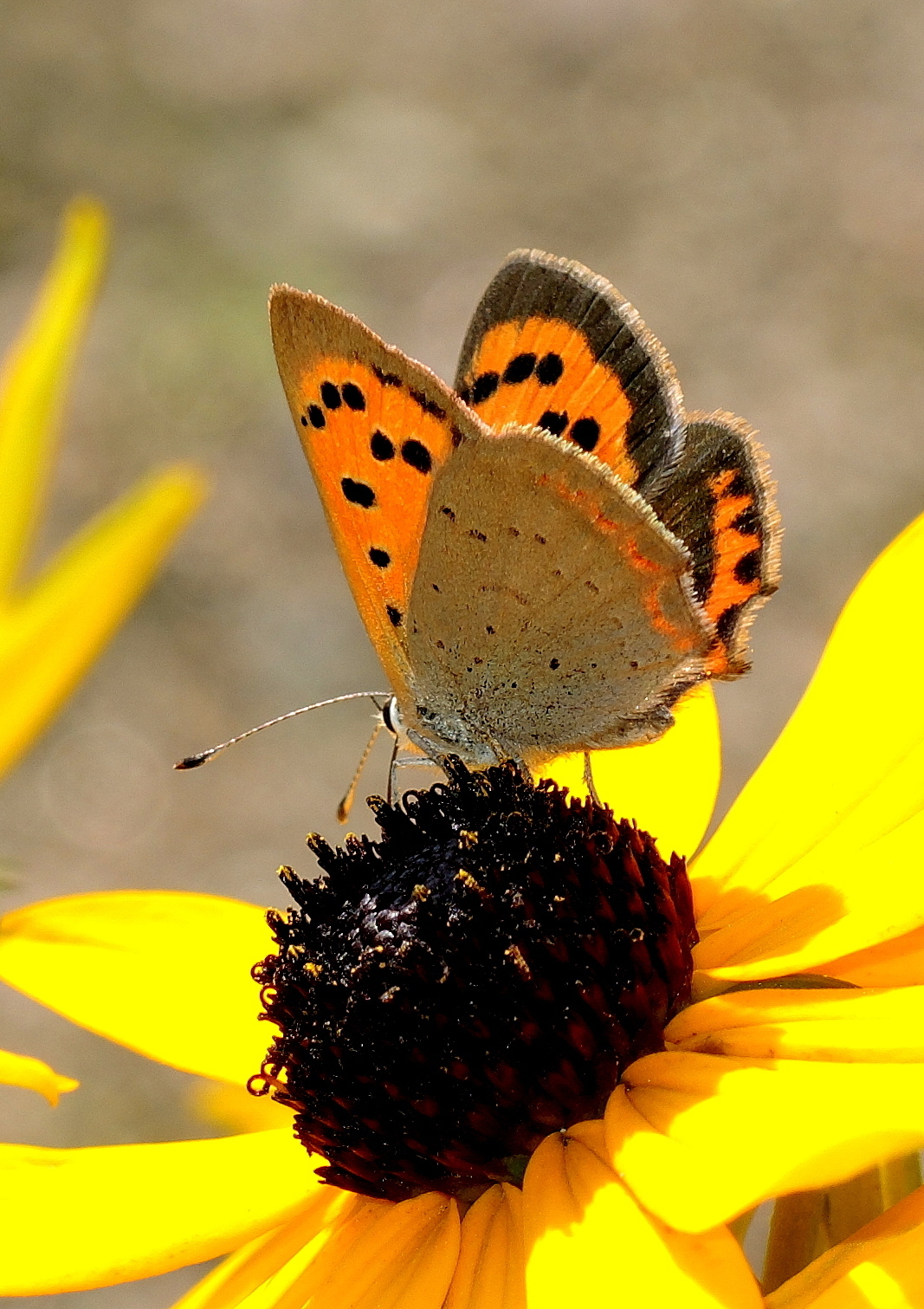
In the photo: small copper. Photo credit: Fred Klop.
Ecosystem value
Butterflies and moths are indicators of a healthy environment and healthy ecosystems.
- They indicate a wide range of other invertebrates, which comprise over two-thirds of all species. Many of these play a fundamental role in the functioning of ecosystems, including pollinator services.
- Areas rich in butterflies and moths are rich in other invertebrates. These collectively provide a wide range of environmental benefits, including pollination and natural pest control.
- Moths and butterflies are an important element of the food chain and are prey for birds, bats and other insectivorous animals (for example, in Britain and Ireland, Blue Tits eat an estimated 50 billion moth caterpillars each year).
- Moths and butterflies are important pollinators of wildflowers, including several plants that rely on them for their pollination.
- Butterflies and moths support a range of other predators and parasites, many of which are specific to individual species, or groups of species.
- Butterflies have been widely used by ecologists as model organisms to study the impact of habitat loss and fragmentation and climate change.
Educational value
- Butterflies and moths have fascinating life-cycles that are used in many countries to teach children about the natural world.
- The transformation from egg to caterpillar to chrysalis is one of the wonders of nature.
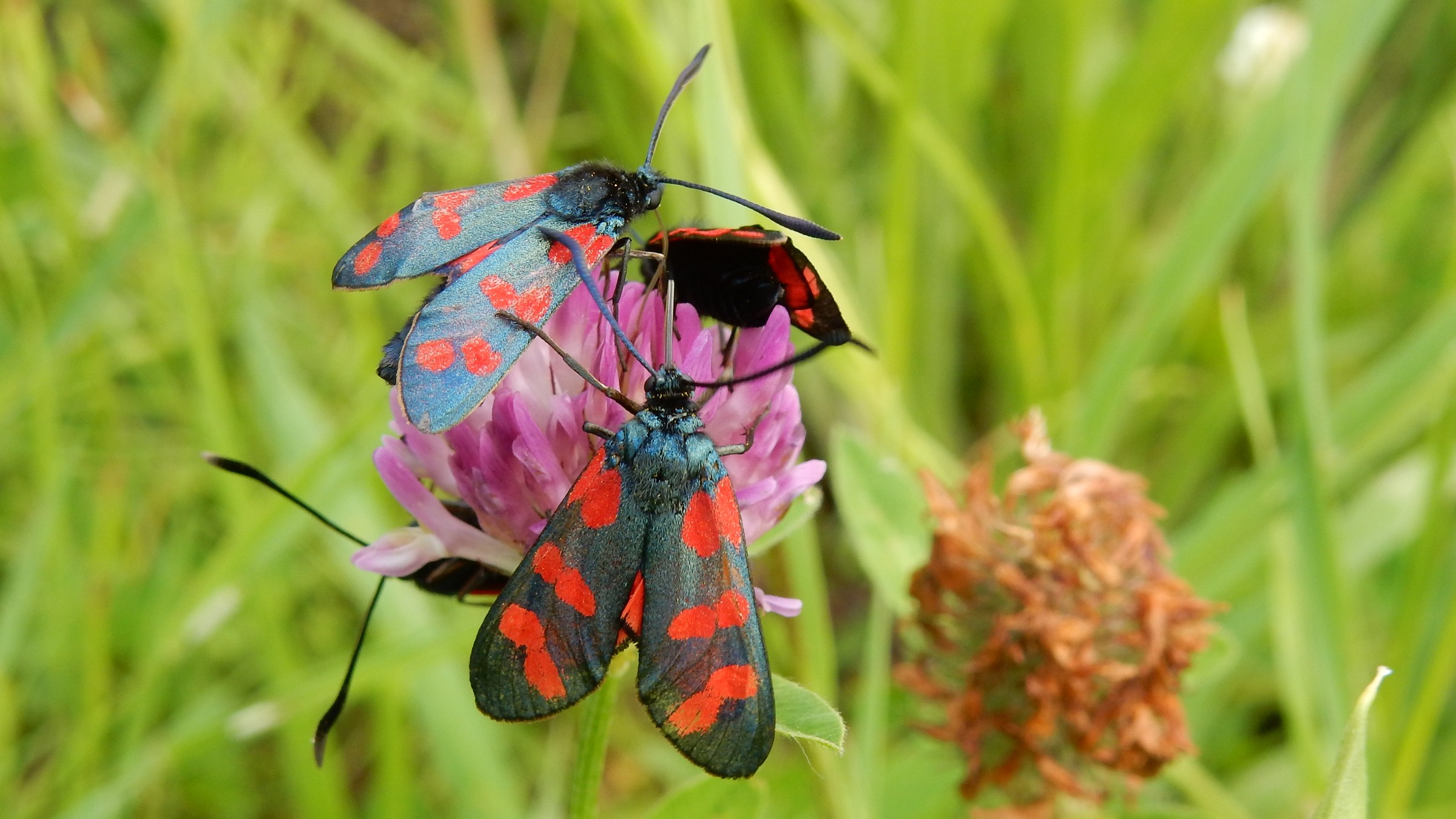
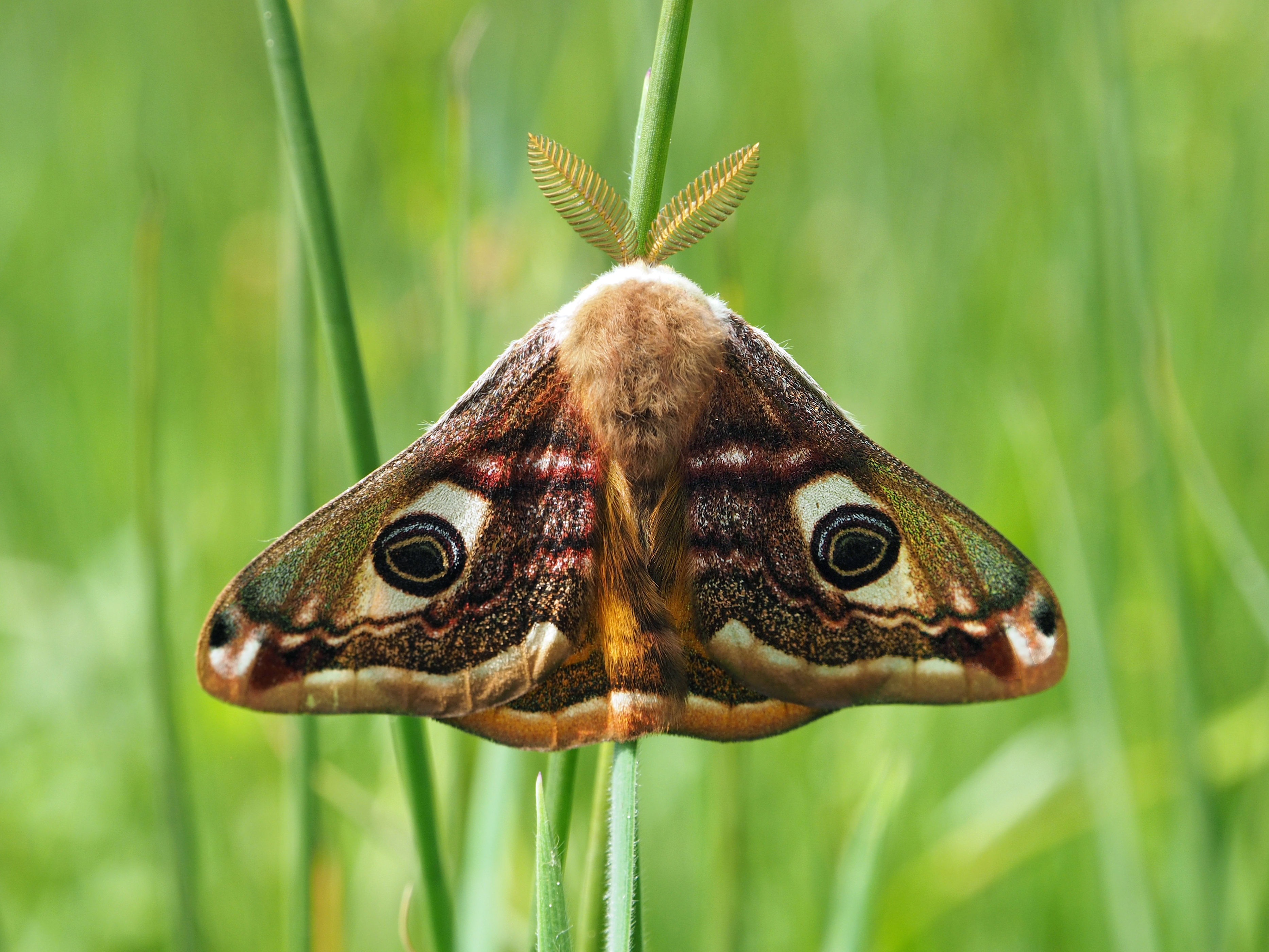
- Other educational aspects include the intricate wing patterns and iridescence, and as examples of insect migration.
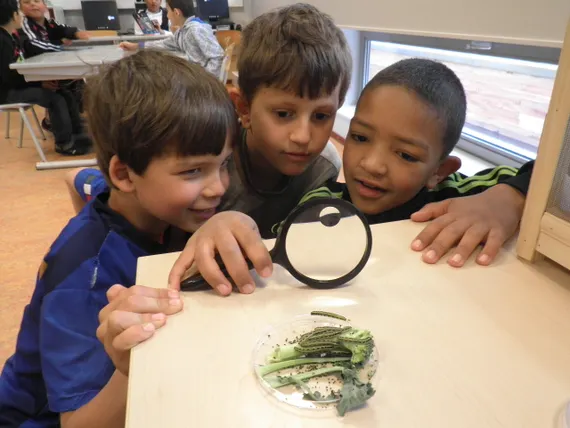
The life cycle of butterflies and moths is one of Nature’s wonders and inspirational to children and adults alike